





Incident reporting system for construction
The Reporting of Injuries, Diseases and Dangerous Occurrences Regulations 2013 (RIDDOR) create a legal requirement for a responsible person (employers, the self-employed and individuals in control of work premises) to notify and keep records of specified workplace incidents.
In the construction industry, incident reporting systems (IRSs) can be used to analyse, track and document accidents and incidents that take place across an organisation or on a specific site. The data that is gathered is then used to develop mitigation strategies to improve safety. They also enable an organisation to meet their requirements for the reporting and investigation of workplace incidents and occupational health and safety.
The IRS should be used to address potential hazards early, shape health and safety training, and implement continual improvement policies.
Online incident reporting systems can allow anyone from the organisation to report an incident at any time, which is particularly useful for large contractors operating across multiple sites. IRS's using mobile technology, can for example create a mobile text number for near miss reporting. A reporting station can be located on site with a touchscreen, enabling the workforce to select the type of incident they wish to report. The site team can then receive reports via mobile, enabling them to take immediate action if required.
In order for an IRS to be effective, it needs consistent and coordinated implementation by management, as well as full engagement and involvement from employees who must be made aware that reporting incidents is best practice behaviour and not something that could bring about negative consequences for them.
[edit] Find out more
[edit] Related articles on Designing Buildings Wiki
Featured articles
Check out some of the best features and news from Designing Buildings as well as key stories from around the web.

New, more proportionate and targeted approach for higher-risk building assessments.

Government brings British Steel into public ownership.

UKCW Birmingham returns with bold new theme and focus.
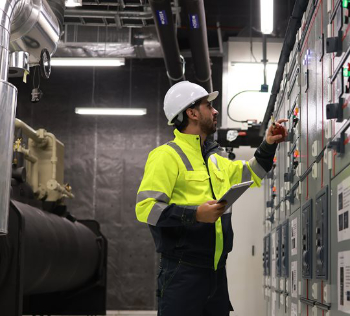
New guidance published on competence requirements for self-certification schemes.
Construction Management, 8 July

NEETs crisis drives interest in trades, but apprenticeships barriers remain.
Passive fire protection webinar

MEP services penetration seals.

Where its at podcast (and video) - The role of the Architectural Technologist as an Expert Witness.
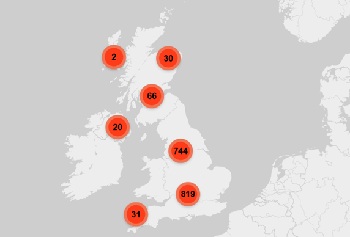
More than 200 remarkable buildings added to SAVE’s Buildings at Risk register.

Government scraps pre-application consultation for Nationally Significant Infrastructure Projects.
Historic England and infrastructure
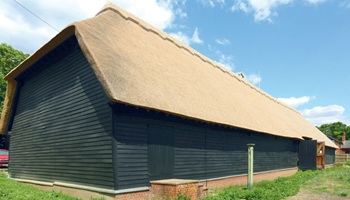
New projects offer opportunities for the historic environment and local communities.
Construction Management, 2 July

Construction deaths halve in two years.
Green Book changes to drive investment in all parts of UK.